How to Choose the Best Commercial Solar Security Lights?
Choosing the best commercial solar security lights can be a daunting task. With many options available, finding the right fit is essential. Experts like John Taylor, a solar energy consultant, emphasize, “Not all solar lights are created equal; efficiency and durability matter most.”
Security is paramount for businesses. Improper lighting can create vulnerabilities. Quality commercial solar security lights should withstand harsh weather, last for years, and provide bright illumination. Brands vary significantly in performance and reliability.
Investing in commercial solar security lights not only enhances safety but also reduces energy costs. The correct choice can improve visibility while being environmentally friendly. However, it is important to research the best options thoroughly. Mistakes in selection can lead to inadequate lighting and wasted funds. Understanding features and benefits is vital to make an informed decision.
Understanding the Importance of Solar Security Lighting for Businesses
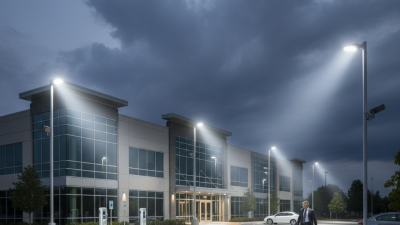
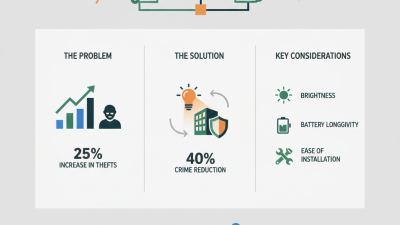
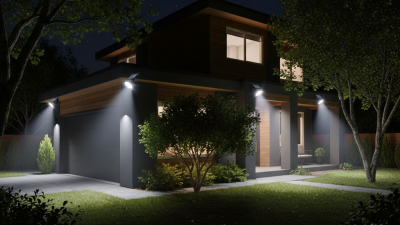
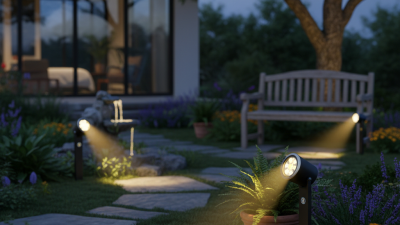
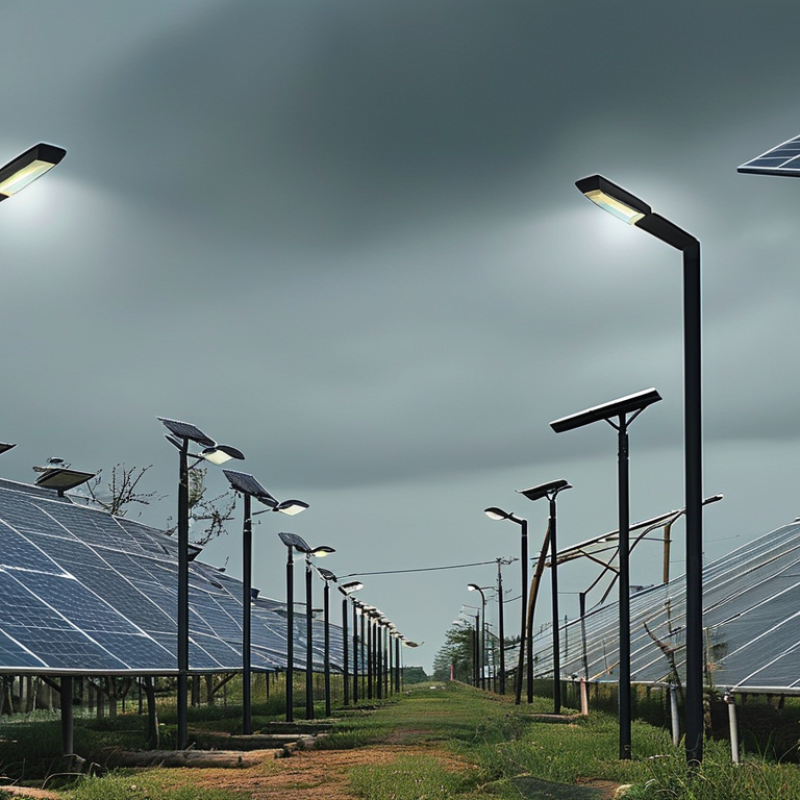
Solar security lighting is essential for businesses of all sizes. It enhances safety and deters theft, which can lead to significant savings. When properly installed, these lights illuminate potential dark areas, providing clear visibility. This proactive approach reduces crime rates at commercial properties.
Moreover, solar security lights are cost-effective. They run on renewable energy, lowering utility bills. Businesses that utilize these systems can protect their assets without hefty electricity costs. The reliability of solar lights improves safety, yet not all products may meet expectations. Careful selection is necessary to avoid installations that fail in poor weather or low-light conditions.
While solar security lighting offers great benefits, it's vital to assess specific needs. Different environments might require various types or intensities of lighting. Thorough evaluation and testing can lead to better outcomes. Finding the right solution is a process that may require adjustments and learning from initial setups.
Evaluating Different Types of Commercial Solar Security Lights
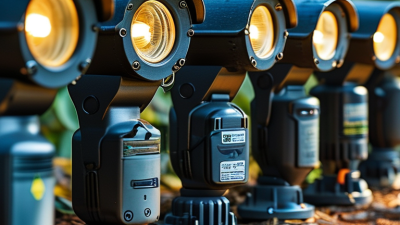
When evaluating different types of commercial solar security lights, several features come into play. Brightness is crucial. Look for lights that provide sufficient lumen output for your space. This ensures visibility and deterrence against potential threats. Motion sensors can enhance efficiency by turning on the lights only when movement is detected. This feature is essential for saving energy and prolonging the lifespan of the lights.
Consider the battery life as well. A reliable solar light should have a robust battery that can last through the night. Some models offer extended operational times during cloudy days, which may be useful in less sunny regions. Durability matters too. Materials should withstand harsh weather conditions to ensure longevity. Think about the installation location. Will the lights be positioned in shaded areas? If so, select options with higher solar absorption capabilities.
For better decision-making, note the importance of reviews. Real user feedback can help assess performance and reliability. Experiment with various placements to find the most effective configuration. A trial-and-error approach can reveal unexpected challenges.
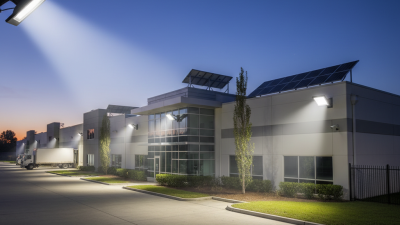
Choose the right design. Aesthetic appeal can enhance property value while providing security. Find options that blend with your environment. Visual consistency may also strengthen the perceived safety of your facility.
Key Features to Consider When Choosing Solar Security Lights
When selecting commercial solar security lights, key features must guide your decision. Assess the brightness level, typically measured in lumens. A higher lumen count indicates a stronger light. Consider the installation site and the amount of illumination needed. For larger areas, opt for lights emitting over 1000 lumens. This ensures safety and visibility at night.
Battery capacity is another critical aspect. A light with a longer battery life ensures consistent performance. Look for models that can operate for extended hours, even during cloudy days. Additionally, solar panels should be efficient and durable. Reliable models can charge even in low sunlight, providing peace of mind.
Lastly, examine the motion sensor sensitivity. A highly sensitive sensor can detect movement from a significant distance, enhancing security. However, overly sensitive models may trigger false alarms from animals or passing vehicles. Striking a balance between effectiveness and practicality is essential. Evaluate user reviews and testimonials, as they offer insights into real-world performance and reliability.
Comparison of Key Features in Commercial Solar Security Lights
Assessing Energy Efficiency and Light Output Requirements
When selecting commercial solar security lights, energy efficiency and light output are crucial factors to consider. Research indicates that energy-efficient lighting can reduce electricity consumption by up to 75%. Choosing LED lights enhances durability and lowers maintenance costs, as they last longer than traditional bulbs. Studies show that LEDs emit about 80% less heat, making them a suitable option for security lighting needs.
Evaluating light output is equally important. Measured in lumens, the brightness of the lights affects visibility in dark areas. A report from the Department of Energy suggests that 800 to 1,200 lumens are ideal for most commercial spaces. It’s important to assess the specific area. Warehouse lot areas may require higher lumen output compared to smaller entryways or access paths.
Consider the installation environment. Shadows or obstructions may impact light distribution. You can enhance safety by installing multiple units in strategic locations. Reflective surfaces around the lighting can also amplify its effectiveness. Regularly reassessing light levels and unit performance ensures optimal safety and efficiency.
Comparing Price and Warranty Options in Solar Security Lighting
Choosing the right commercial solar security lights involves more than just selecting a product. It requires careful consideration of price and warranty options. According to recent industry reports, the average price for solar security lights ranges between $50 and $300. However, the features offered at different price points can vary significantly. Budget models may lack sufficient lumens or durability, while higher-end options provide advanced features like motion detection and higher quality solar panels.
When evaluating warranties, it's crucial to compare terms. Many manufacturers offer warranties from one to five years. A longer warranty often indicates greater confidence in product durability. Research shows that lights with a warranty of three years or more tend to perform better over time. It's worth noting that some cheaper models might omit warranty details, leaving consumers vulnerable to product failure.
In summary, the correlation between price and warranty is vital in making an informed decision. An economy model might save money upfront, yet it could incur higher replacement costs. Understanding the long-term implications of your investment will lead to more reliable security lighting solutions.
How to Choose the Best Commercial Solar Security Lights? - Comparing Price and Warranty Options in Solar Security Lighting
| Feature |
Light Output (Lumens) |
Price Range |
Battery Life (Hours) |
Warranty Period |
| Standard Model |
800 |
$50 - $100 |
8-12 |
2 years |
| High Output Model |
1600 |
$120 - $200 |
10-15 |
3 years |
| Motion Sensor Model |
1200 |
$70 - $150 |
7-10 |
2 years |
| Solar/AC Hybrid Model |
1400 |
$150 - $250 |
12-20 |
5 years |